
Yes, every fence in Cape Coral needs a city permit, whatever its height. The residential fee is $107 on the 2026 schedule. Fences can be up to 6 feet tall in side and rear yards, are not allowed in front of the house, and near a seawall the solid part stops at 3 feet with anything above at least 75% open. We prepare and file the permit as part of every job.
Applying for the permit
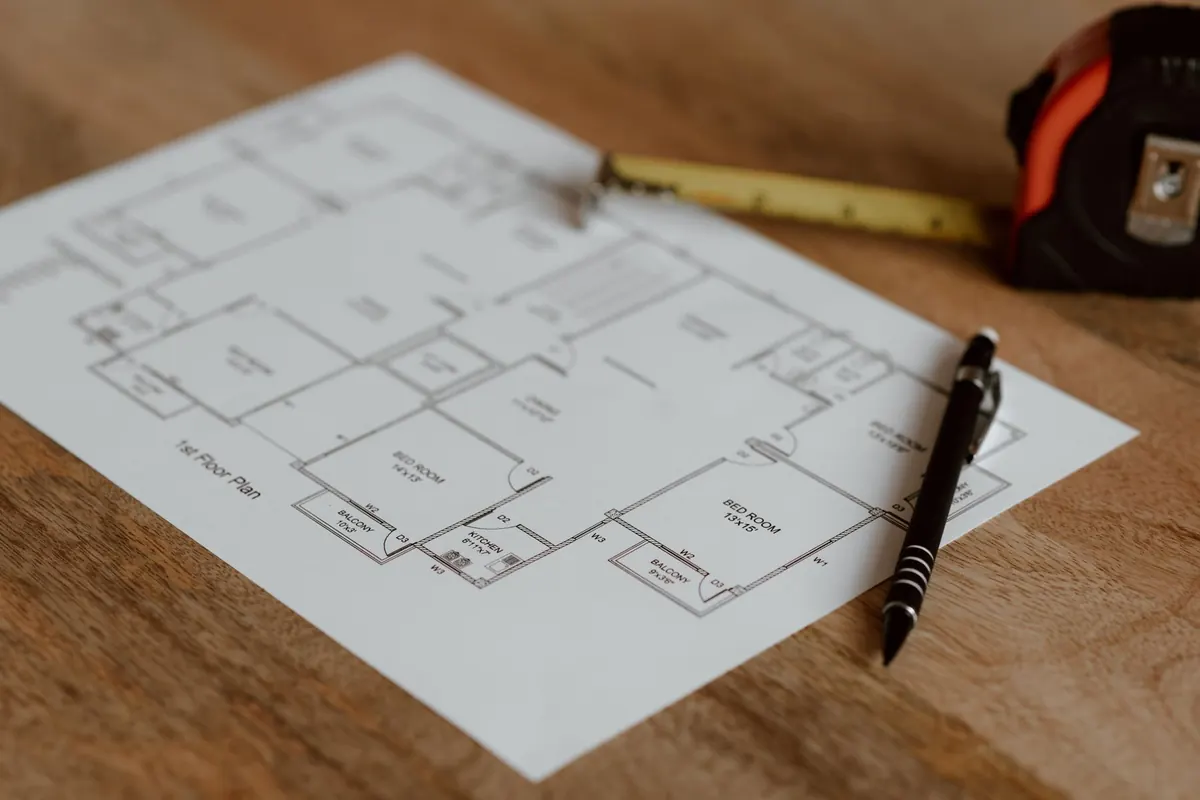
Cape Coral's Permitting Services Division takes fence applications through the city's online portal, EnerGov Citizen Self-Service, under "New Fence - Residential". A licensed contractor or the owner acting as owner-builder can apply. For a standard fence the city asks for:
- a site plan showing the fence line, height, gates and materials;
- a Burrowing Owl / Gopher Tortoise Affidavit, required on every fence;
- where they apply, a Notice of Commencement, an Eagle Management Affidavit, manufacturer specifications, and 75% open-mesh calculations for a waterfront fence.
A fence that serves as a pool barrier goes in under its own type and also needs manufacturer specs and hinge and latch specifications. A fence inspection closes out the permit. The city guidelines don't mention HOA approval; if your street has an association, its approval is a separate step we give you the drawings for.
Heights and where a fence can go
- Six feet maximum in residential areas. Up to 8 feet is allowed only along a side that abuts commercial or professional property, and a street, canal or lake in between doesn't count.
- No front-yard fences. Nothing in the front setback, and no part of the fence forward of the front corner of the house on the side nearest it. A fence may never enclose any part of the front façade.
- Side yards have no setback; rear yards have none either, except 10 feet where the rear faces an alley.
- Corners and driveways. No fence inside the visibility triangle where streets or driveways meet.
- No fence on a vacant lot. A residential lot needs a house before it can have a fence.
Canal and waterfront lots
This is the rule that catches most people. To protect neighbors' view of the water, the code limits any fence near the seawall to 3 feet of solid height. The zone runs 10 feet in from the rear property line along the full width of the lot, and 7.5 feet in from each side line for 20 feet measured from the outer edge of the seawall cap. Above 3 feet, a fence in that zone must be open mesh with at least 75% visibility, counting every post, rail and picket, and it still can't go past 6 feet. Hedges in the zone are capped at 4 feet.
In practice, that means open aluminum near the water and solid vinyl or wood further up the yard. Waterfront pool fences are different again: they run to the water side of the seawall cap and no farther.
Materials the city allows
Allowed: wood that is decay-resistant or pressure-treated and painted or stained; aluminum; vinyl, plastic or fiberglass; wrought iron; masonry or concrete with stucco; stone or brick; galvanized steel privacy panels with a protective coating; and chain link without slats. Not allowed: barbed wire, spikes or sharp tips, and electric fences. The finished side faces out toward the street or the neighbor, with posts on your side.
Easements
A fence may sit in a public utility or drainage easement only in approved materials, and if the city or a utility needs the easement, the owner must remove the fence and pay for it, including any damage. Many Cape lots have an easement along the rear line, so we mark it on the site plan and talk it through before you decide where the fence goes.
Burrowing owls
The city says Cape Coral has the largest burrowing owl population in Florida, with more than 3,000 burrows. Keep at least 10 feet from a burrow from July 11 to February 14, and 33 feet from February 15 to July 10, the nesting season. Work inside those buffers needs a permit from the Florida Fish and Wildlife Conservation Commission. We check for burrows when we measure.
Before anyone digs: Sunshine 811
Florida law requires a call to Sunshine 811 at least two full business days before digging, and fence post holes count; the homeowner exemption only covers digging 10 inches deep or less. Utilities mark their lines, and within 24 inches of a mark, holes are dug by hand.
Outside the city limits
Unincorporated Lee County (North Fort Myers, Pine Island, Matlacha, St. James City): fences over 25 inches need a building permit; 6 feet in side and rear yards; 3 feet near the street, or 4 feet if open mesh; within 25 feet of a waterway, open mesh above 3½ feet; no privacy slats or screening fabric. See our North Fort Myers and Pine Island pages.
City of Fort Myers: a fence permit application is required; 6 feet maximum in residential areas; no chain link in front yards; front-yard pickets up to 42 inches if at least half open. More on our Fort Myers page.
Codes change. These notes follow the city and county codes as published in mid-2026; we confirm the current rules for your lot when we prepare the application.
Last updated October 9, 2026